
Malawi: The Complete Guide to Africa's Best-Kept Secret
There is a country in southeastern Africa that has been quietly sitting off the radar of most international travellers for decades. A country where the third-largest lake on the continent holds more fish species than any other lake on Earth. Where safaris happen by boat along a river teeming with hippos, and the southern highlands look more like colonial Kenya than southern Africa. That country is Malawi, and if you are reading this, you probably already suspect it deserves your attention.
Travelling to Malawi is not for those chasing the most predictable safari circuit or the most crowded beach. It is for those who want something different: an intimate, authentic Africa that is surprisingly accessible. Malawians have long called their country "The Warm Heart of Africa" — and it is not a hollow slogan. It is a remarkably accurate description of what greets you on arrival.
Why Malawi Deserves a Place on Your African Itinerary
Malawi does not compete with Kenya on wildlife volume or with Botswana on exclusivity. What it offers is something else entirely: extraordinary diversity packed into a small territory. At just 118,000 km² — smaller than Greece — this landlocked country strings together lakes, savannah, mountains over 3,000 metres, tea plantations and wildlife reserves that have produced one of the most remarkable conservation success stories on the continent.
Over the past fifteen years, organisations like African Parks have transformed reserves that were virtually empty — poached to near-depletion — into thriving habitats with the Big Five and growing populations of cheetah, wild dogs and black rhino. Liwonde and Majete are now legitimate safari destinations, not conservation projects in progress.
And then there is the lake. 580 kilometres long, waters plunging to 700 metres deep, visibility that lets you see the bottom at 20–30 metres, and an aquatic biodiversity that UNESCO compared to Darwin's Galapagos finches for its value to evolutionary science. It is not a side note to the trip — it is a destination in its own right.
The competitive advantage for travellers: Malawi remains remarkably uncrowded. Top-tier lodges operate with 10–20 rooms, national parks are explored without convoys of vehicles, and the value for money on luxury accommodation is notably better than in more established East and Southern African destinations.
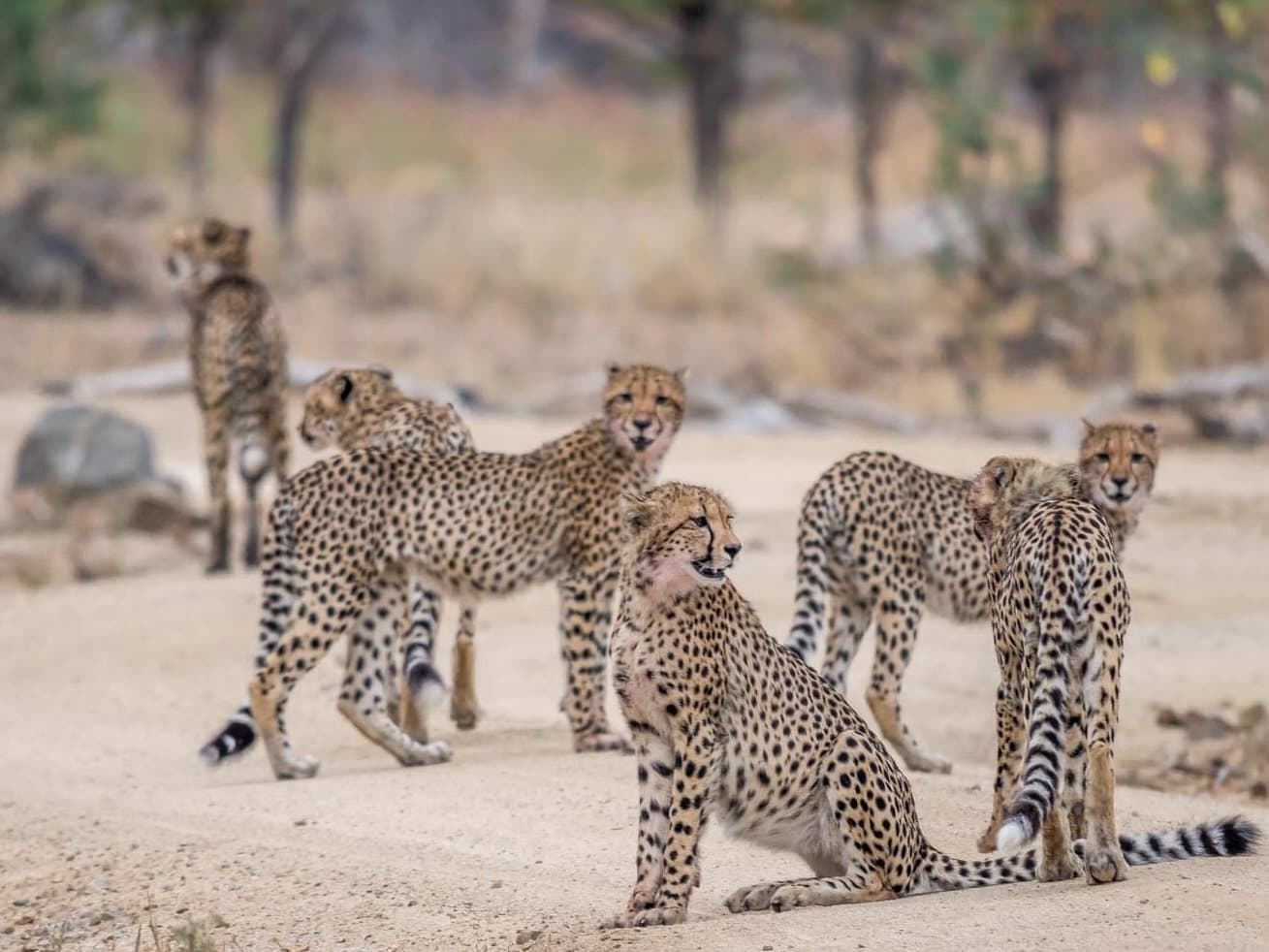
Lake Malawi: Africa's Inland Sea
When David Livingstone reached its shores in 1859, he saw thousands of lanterns on fishing boats shimmering across the water at nightfall and named it "The Lake of Stars". The name endures, and the image remains real: at dusk, fishermen's canoes scatter the dark surface with points of light that blur into the night sky.
Lake Malawi is the ninth-largest lake in the world by surface area (29,600 km²) and the fourth-largest by freshwater volume. It runs almost the entire length of the country's eastern border, shared with Mozambique and Tanzania. But it is the Malawian shore where the tourism infrastructure and the most accessible biodiversity are concentrated.
A Natural Aquarium and UNESCO World Heritage Site
What makes Lake Malawi unique is not its size but what lives inside it. Over 1,000 fish species inhabit its waters, of which at least 700 are endemic cichlids — meaning they exist nowhere else on Earth. The cichlids of Lake Malawi (known locally as mbuna, meaning "rockdwellers") display such extraordinary adaptive radiation that UNESCO inscribed the lake as a World Heritage Site in 1984, creating the world's first freshwater national park at Cape Maclear.
Scientists place this evolutionary explosion on a par with Darwin's Galapagos finches and Hawaii's honeycreepers. More than 98% of the lake's cichlids are endemic, and many remain formally undescribed. For aquarists, these fish have been icons for decades — the electric-coloured mbuna found in aquariums worldwide trace their origin to these waters.
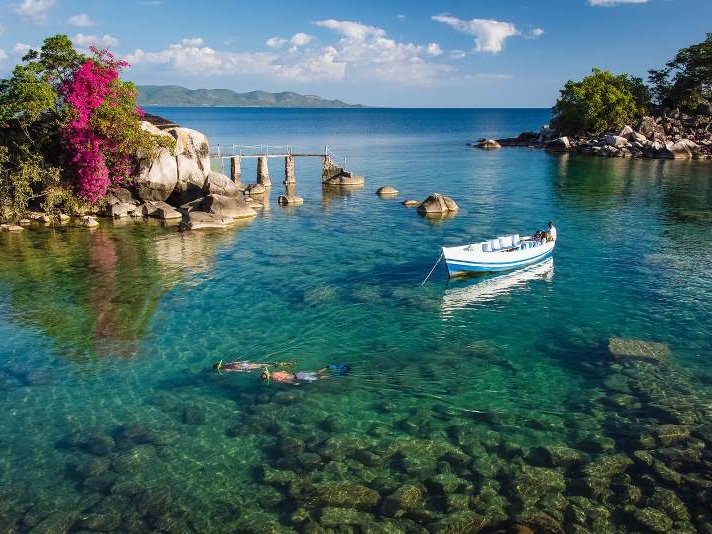
For the traveller, this translates into something very tangible: snorkelling in Lake Malawi is like diving into a coral reef, except in freshwater. No currents, no tides, no sharks, with water temperatures between 22°C and 27°C year-round and visibility that can exceed 20 metres. You do not need a diving certification to experience it, though PADI diving is available at several locations.
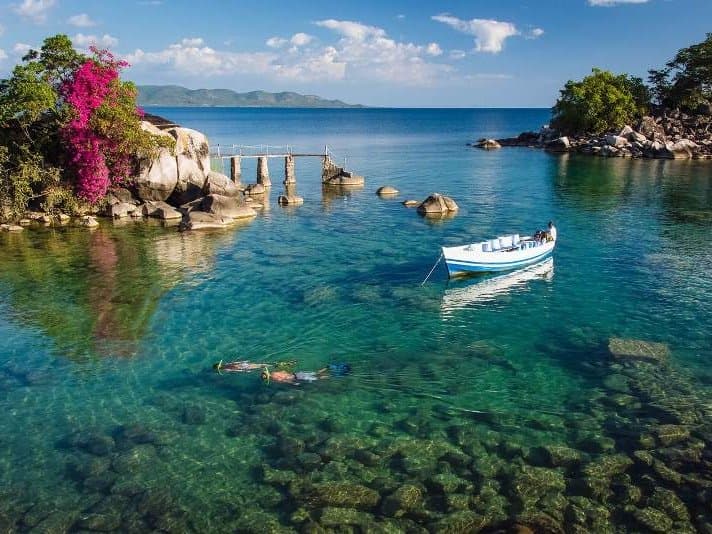
What to Do on the Lake — Beyond the Beach
Lake Malawi works as a freshwater beach destination with an activity offering that goes well beyond lying on the sand.
Snorkelling and diving among rock formations packed with cichlids, particularly around Cape Maclear and the islands. Kayaking through sheltered bays — Mumbo Island, barely 1 km across, can be circumnavigated in a leisurely morning. Dhow sailing on traditional wooden sailboats, ideal for watching the sunset across the lake. Sailing, paddle boarding, waterskiing and wakeboarding at lodges with speedboat access. Fishing village walks, where life still revolves around the lake as it has for centuries.
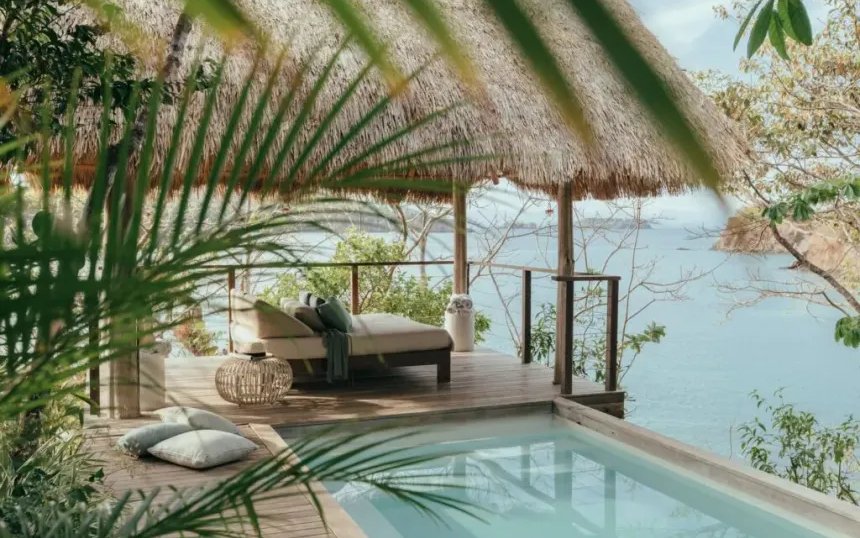
The southern lakeshore, home to Lake Malawi National Park, concentrates the best accommodation. Pumulani, Robin Pope Safaris' flagship lake lodge, occupies a prime position on the Nankumba Peninsula: ten villas designed by Dutch architect G. Hooft Graafland, each one integrated into rock and vegetation with uninterrupted lake views. The Liwonde safari + Pumulani beach combination is arguably the most complete itinerary the country offers.
Likoma Island and the Lesser-Known Corners
If Lake Malawi is already little known, Likoma Island is an outright secret. Located in the northern half of the lake, closer to Mozambique than to the Malawian mainland, this 18 km² island is home to one of the country's most singular properties: Kaya Mawa.
The name means "maybe tomorrow" in Chichewa, and it captures the philosophy of the place rather well. Eleven rooms built by hand from local stone, woven into the rocks and sand of a crescent-shaped bay, with the lake as the only horizon. Kaya Mawa was Malawi's first resort powered entirely by renewable energy, and its involvement with the Likoma community — from Katundu textile production to education projects — is integral to the experience, not a marketing afterthought. Condé Nast Traveller listed it among the ten most romantic places on earth.
Likoma also has St Peter's Cathedral, an Anglican building of disproportionate scale for the island — said to be comparable in size to Winchester Cathedral — built by missionaries in the late 19th century. The contrast between the cathedral and the surrounding fishing villages is, at the very least, striking.
Access is by charter flight from Lilongwe — approximately one hour — or, with considerably more adventure, on the MV Ilala ferry, which runs the length of the lake from north to south.
Safari in Malawi: Liwonde, Majete and Beyond
Malawi was not always a safari destination. Two decades ago, poaching had devastated its national parks to the point of near-emptiness. What has happened since is one of the great conservation success stories in Africa: massive wildlife reintroductions, professional management by African Parks, and a transformation that has put these reserves firmly back on the serious safari map.
Liwonde National Park — The Shire River as Stage
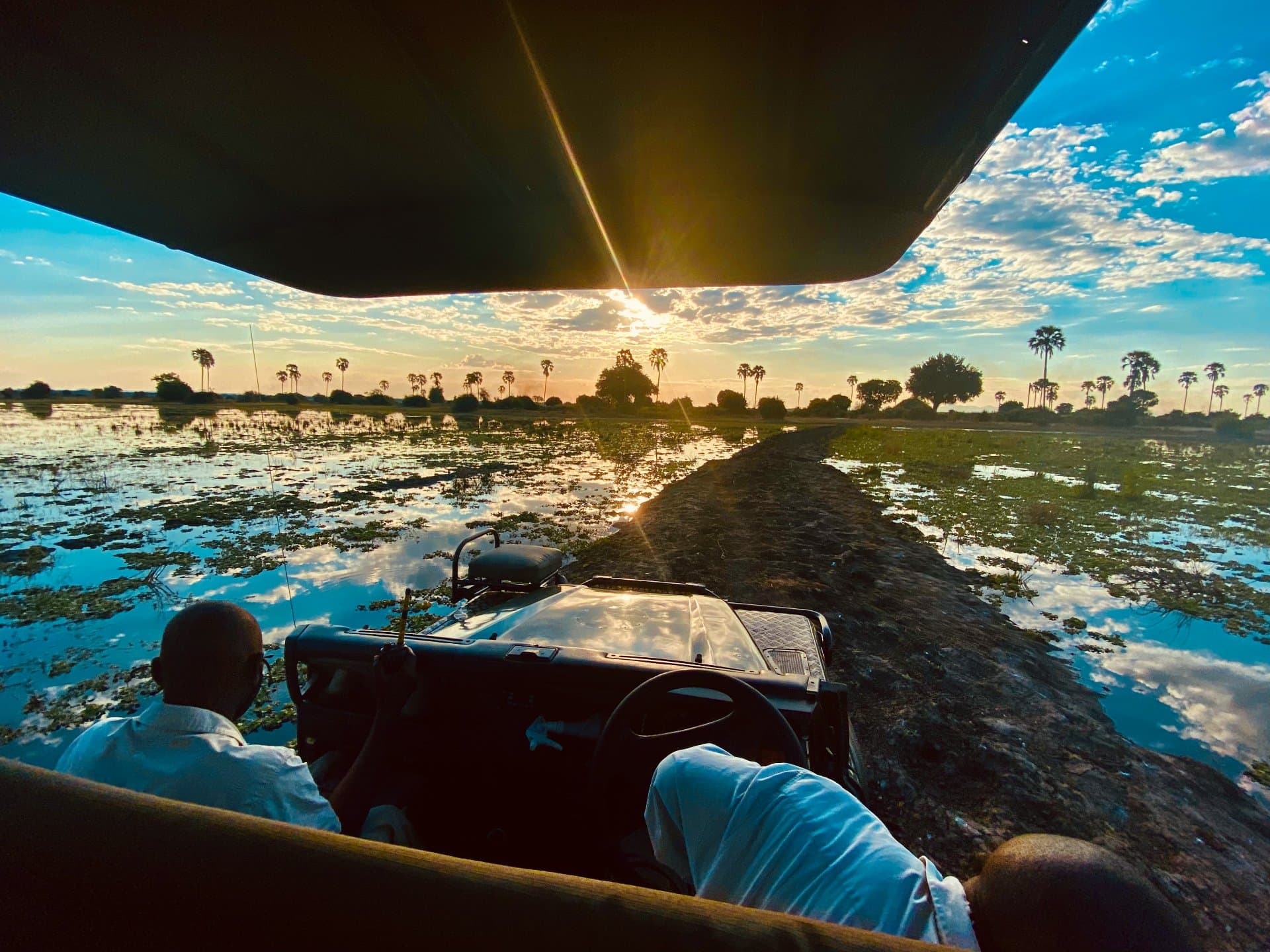
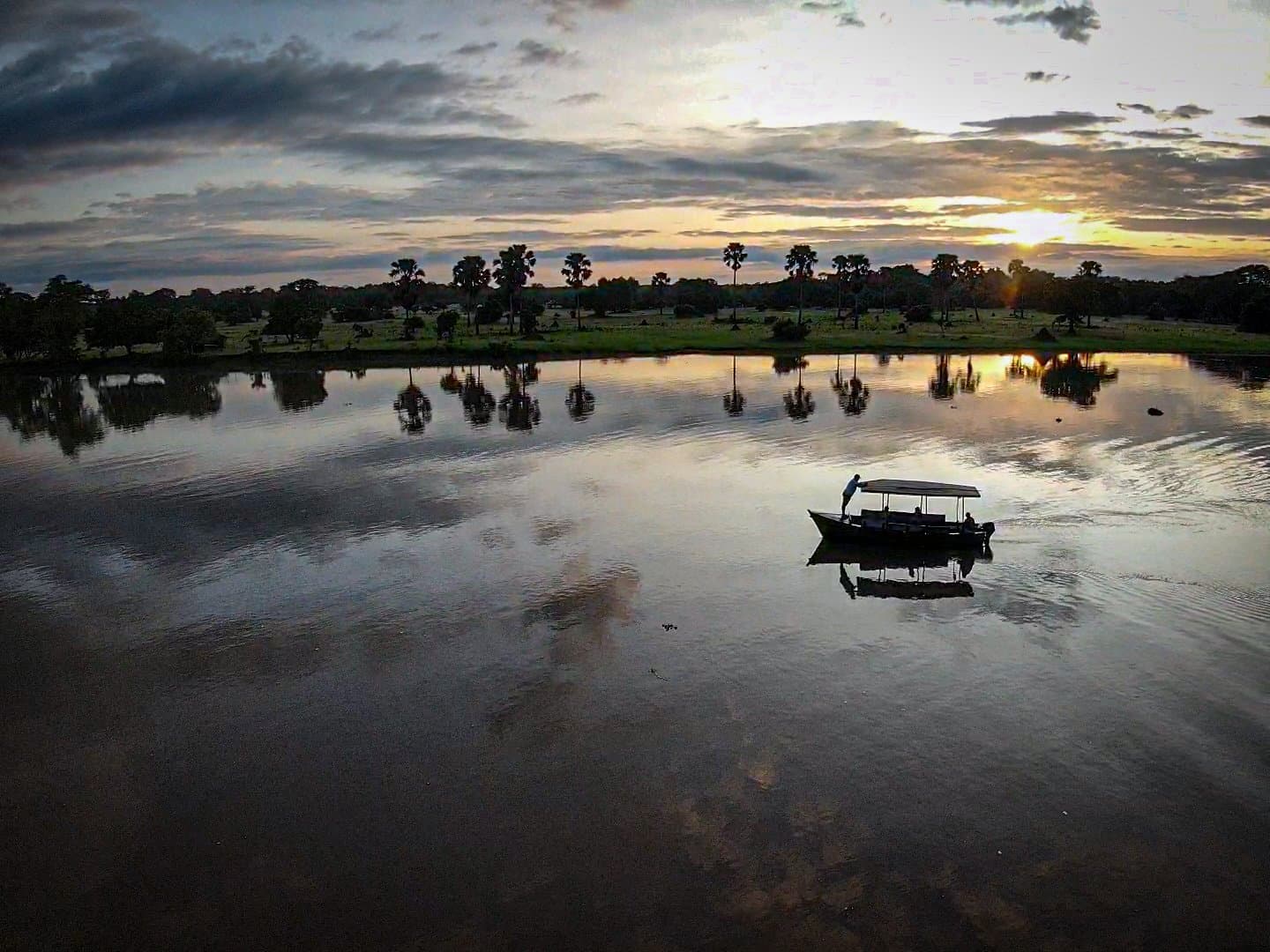
Liwonde is Malawi's premier park, and its defining feature is the setting: the Shire River (pronounced "shi-ré"), which flows south from Lake Malawi, runs through the heart of the park. Safaris here are conducted from three angles — by vehicle, on foot and by boat — and it is this last option that makes Liwonde truly distinctive.
Cruising the Shire at dawn, with hippos surfacing on both sides, Nile crocodiles on the banks, fish eagles and kingfishers working the water, and elephant herds coming down to drink among baobabs and borassus palms, is an experience with very few equivalents on the continent.
Liwonde currently holds four of the Big Five (excluding leopard, though sightings do occur), along with cheetah, sable antelope, eland, zebra, kudu and black rhino — the latter reintroduced and steadily recovering. The bird list exceeds 400 species, including rarities such as Pel's fishing owl, palmnut vulture and the Lilian's lovebird, endemic to the region.
Mvuu Lodge, also run by Robin Pope Safaris, is the benchmark accommodation in Liwonde. Set beside a lagoon connected to the Shire, with eight spacious tents (three with plunge pools) and direct access to all three safari formats. Its location means wildlife quite literally comes to your doorstep.
Majete Wildlife Reserve — Malawi's Big Five
Majete is the only park in Malawi with all five of the Big Five: lion, leopard, elephant, buffalo and rhino. Its recovery story is remarkable — when African Parks took over management in 2003, the reserve was virtually empty. Since then, over 2,500 animals have been reintroduced, including all the flagship species, plus African wild dogs and cheetah.
Majete is more compact than Liwonde and is explored primarily by vehicle. Its miombo woodland and hilly terrain give it a distinct character, and wildlife densities have increased enough that lion and elephant sightings are now routine, not exceptional.
For those whose priority is a classic Big Five safari experience within Malawi, Majete is the answer.
Nyika National Park — Wildlife at Altitude
In the far north of the country, Nyika offers something entirely different: a plateau above 2,000 metres blanketed in rolling grasslands, with a landscape that resembles the Scottish Highlands more than the African savannah. It is Malawi's largest national park (3,200 km²) and one of the most unusual on the continent.
Wildlife here includes eland, zebra, roan antelope and a notable concentration of leopard, alongside bird species rich in endemics. But what truly distinguishes Nyika is the trekking: multi-day walks through grasslands dotted with orchids (especially between November and April, when over 200 species bloom), with remote camps and a profound sense of isolation.
Important note: Nyika's climate runs counter to the rest of the country. The dry winter months (June–August) are bitterly cold at this altitude, with overnight frost. The best time to visit Nyika is November to May, when temperatures are more pleasant and the landscape is at its greenest.
Mountains and Highlands: Mulanje, Zomba and the Tea Estates
Malawi is not all lake and savannah. The south of the country holds a landscape of mountains, forested plateaux and tea plantations that adds an unexpected dimension to any trip.
Mount Mulanje is the most imposing: a granite inselberg rising to 3,002 metres above the surrounding plains, proclaimed a forest reserve in 1927. Mulanje offers three- to five-day trekking routes with mountain huts at the summit, at a fraction of the cost and crowding of Kilimanjaro. Views from the top span much of southern Malawi and into Mozambique.
The Zomba Plateau (1,800 metres), the former colonial capital, offers more accessible hiking: waterfalls, cedar and cypress forests, trout fishing and views over the Shire plain. It is a perfect complement for those who want altitude, cooler air and scenery without the demands of Mulanje.
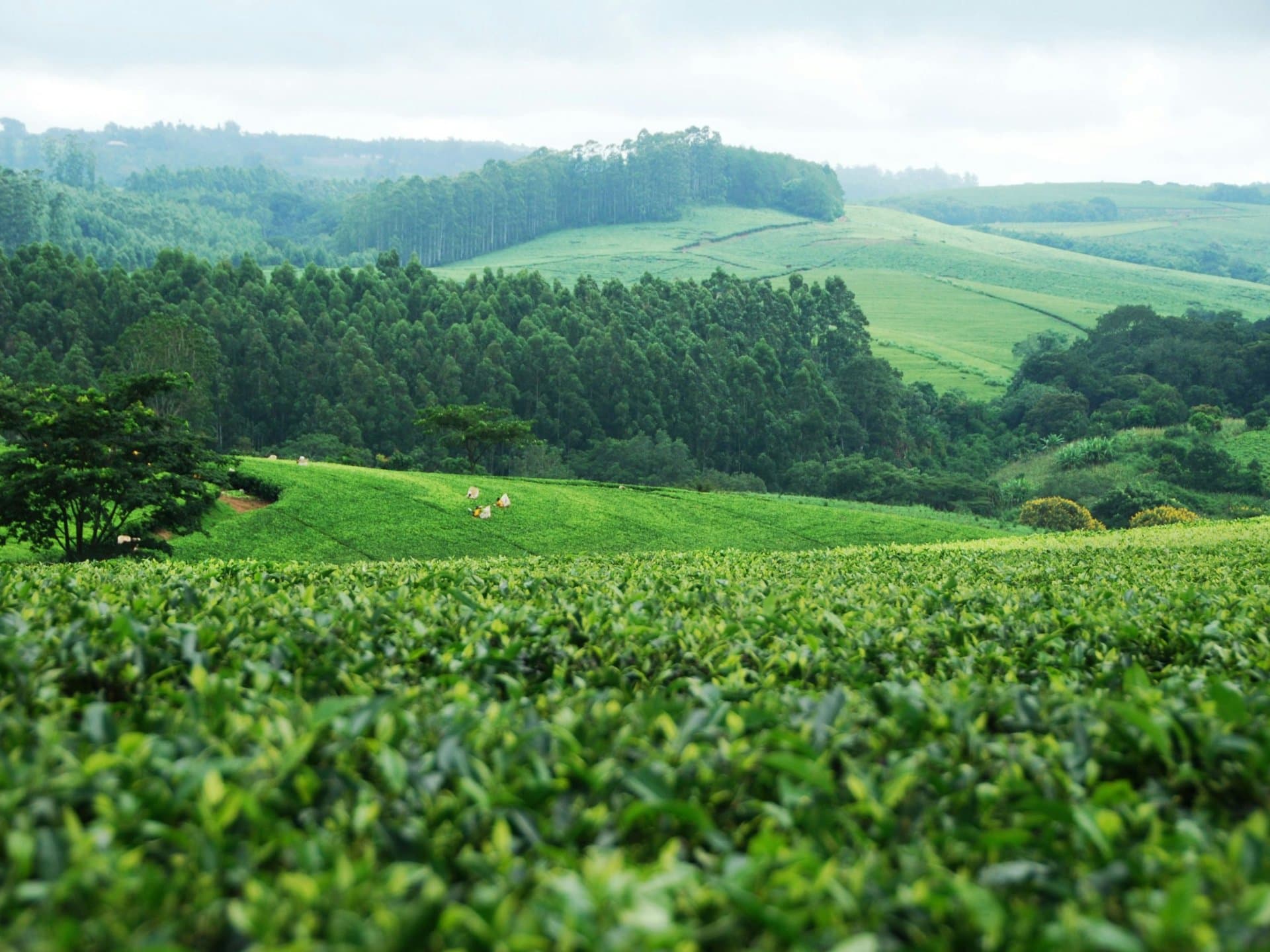
Between the two mountains stretch the tea plantations of Thyolo and Mulanje, a landscape of rolling green hills dotted with colonial houses set among the estates. Huntingdon House, on the Satemwa tea estate, lets you stay in a period house surrounded by plantations, with tea tastings, tea-based cocktails and three-course dinners. It is the kind of experience that will not appear in any mass-market catalogue.
Culture, Craftsmanship and Local Life
Malawi is one of the most densely populated countries in Africa, which means contact with local life is unavoidable and, overwhelmingly, rewarding. Malawians have a well-earned reputation for warmth and hospitality — being invited to sit down, offered food or simply accompanied along the road is not unusual.
Some specific stops worth building into any itinerary:
Dedza Pottery, one of the country's oldest ceramics workshops, where local artisans produce hand-painted pieces depicting scenes from Malawian life. The stop is worth it for the workshop tour and for lunch at their restaurant.
Chongoni Rock Art, a UNESCO World Heritage Site — the densest concentration of rock art in Central Africa, with 127 identified sites on the Dedza plateau. The paintings document rituals of the Chewa community dating from the late Stone Age.
Mua Mission, with its cultural museum and a tradition of wood carving that has attracted collectors for decades. The pieces are detailed, the prices fair, and the setting — an active Catholic mission — adds a layer of interest.
Local markets — especially Lilongwe's — are bustling, colourful and genuine. These are not markets staged for tourists.
When to Travel to Malawi — Best Time by Interest
Malawi has a tropical climate with two distinct seasons: dry (May to October) and wet (November to April). But altitude variations create significant microclimates.
For safari and beach (the most popular combination): May to October. Clear skies, pleasant temperatures (18–33°C depending on location), dry vegetation that improves wildlife visibility, and perfect conditions on the lake. Within this window, July to October delivers the best game viewing as animals concentrate around permanent water sources. October is the hottest month — temperatures can exceed 40°C in lower-lying areas.
For trekking in Nyika or green landscapes: November to May. Nyika's grasslands erupt with orchids, temperatures are gentler at altitude, and the country's landscape is at its most lush. Note that dirt roads can become difficult and some lake lodges close in January–February.
For birding: November to April. Migratory species from the Northern Hemisphere arrive, turning Liwonde and Nyika into first-rate birding destinations.
For diving and snorkelling: visibility is excellent year-round but peaks between October and December, when the water is calmest and clearest.
Months to avoid (if you can choose): January and February see the heaviest rains, with tropical storms and possible cyclones moving in from the Indian Ocean. Many lodges close.
How to Get to Malawi and Get Around
International flights land at Lilongwe (Kamuzu International Airport) or Blantyre (Chileka International Airport). There are no direct flights from Europe — the most common connections are via Johannesburg, Nairobi, Addis Ababa or Dar es Salaam. Ethiopian Airlines, Kenya Airways and South African Airways operate regular routes.
Within the country, charter flights are the most efficient way to move between destinations (Lilongwe–Likoma, Lilongwe–Liwonde, etc.). Driving distances are not vast, but road conditions vary enormously — main highways are tarred and reasonable; secondary roads and park access tracks require 4x4, especially during the rains.
For a well-structured trip, the standard logistics are: international flight into Lilongwe → internal transfers or flights between destinations → a circular itinerary combining lake, safari and mountains. A classic southern circuit might look like: Blantyre → Majete → Liwonde → Lake Malawi (Cape Maclear or Likoma) → Lilongwe.
Malawi combines particularly well with Zambia (South Luangwa is a short flight away) and northern Mozambique. Several operators design cross-border itineraries that make the logistics seamless.
Visa, Health and What You Need to Know Before You Go
Visa
As of 2 January 2026, Malawi revoked the visa waiver scheme it had introduced in 2024. Currently, most nationalities require a visa, including EU, UK and US citizens.
The good news: the process is straightforward. Applications can be submitted through the e-visa platform (evisa.gov.mw) at a cost of approximately 75 USD, with processing times of 3–7 business days. Visa on arrival is also available at major entry points, though applying online in advance is recommended to avoid queues and ensure a smooth process.
Basic requirements: passport valid for at least 6 months from date of entry with at least 2 blank pages. The maximum tourist stay is 90 days.
Health
Malaria: risk throughout the year across the entire country, including luxury lodges. Prophylaxis is essential — the standard options are atovaquone/proguanil (Malarone), doxycycline or mefloquine. Consult a travel medicine specialist at least 4–6 weeks before departure. In addition to medication: DEET-based repellent, long clothing at dusk and mosquito nets (most lodges provide them).
Yellow fever: there is no risk of yellow fever in Malawi, but the country requires a vaccination certificate if you are arriving from a country with transmission risk (including transits longer than 12 hours). Travelling directly from Europe or the US, this does not apply. However, if transiting through Kenya, Ethiopia or another listed country, you will need the certificate.
Recommended vaccines: hepatitis A, typhoid, and standard schedule vaccines (tetanus, diphtheria). Hepatitis B and rabies are advisable for longer stays or potential animal contact. Always consult an up-to-date professional.
Bilharzia (schistosomiasis): present in some parts of Lake Malawi. Quality lodges conduct regular testing in their swimming areas — Kaya Mawa, for instance, tests periodically and has consistently returned negative results. Outside controlled areas, avoid contact with stagnant freshwater.
Water and food: do not drink tap water. Tourist lodges and restaurants serve bottled or filtered water. Outside these, standard developing-country precautions apply.
Travel insurance: essential, with medical evacuation cover to South Africa, where serious cases are referred.
What to Combine with Malawi — Routes That Make Sense
Malawi is rarely a standalone destination in an African itinerary. Its geographic position and flight connections make it a natural complement to several circuits:
Malawi + Zambia (South Luangwa): the most popular combination and arguably the best. South Luangwa is one of Africa's great safari parks, a short flight from Lilongwe. Robin Pope Safaris operates in both countries, which makes integrated itineraries seamless: walking safari in Luangwa → river wildlife in Liwonde → beach on Lake Malawi.
Malawi + Mozambique: northern Mozambique's coast (the Quirimbas Archipelago, Vilanculos) offers Indian Ocean beach as a contrast to the lake's freshwater shores. Connections are not direct but are workable.
Malawi + Tanzania: for those wanting to combine with Serengeti, Ngorongoro or Zanzibar. Connections via Dar es Salaam or regional flights make a dual-country itinerary viable.
Malawi + South Africa (Cape Town): many international routes transit through Johannesburg, making it easy to add a few days in the Cape region — vineyards, gastronomy, coastline — as an urban counterpoint to the trip.
The minimum reasonable duration for a Malawi trip is 7–8 nights if focusing on lake and safari. If you want to add mountains, culture and deeper exploration, 10–14 nights allow a much richer itinerary. Combining with Zambia or another country, plan on 2–3 weeks to avoid rushing.
Malawi does not need to be compared to anything to justify itself. It is a destination that works on its own terms: compact, diverse, genuine and still well off the beaten track. The lake, the safaris, the mountains and, above all, the people — it is all there, waiting for those willing to look a little beyond the obvious.