
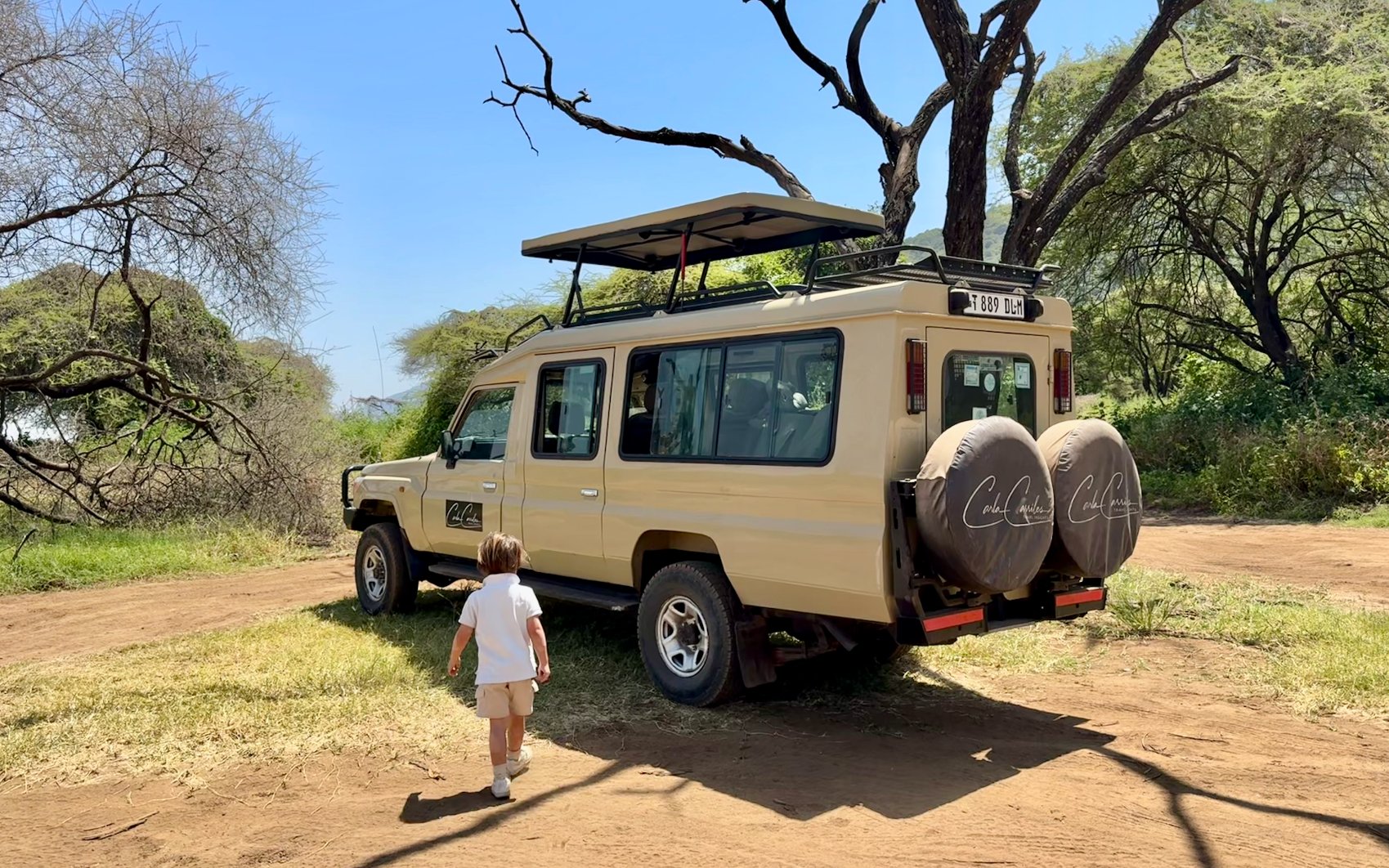
Safari with Kids in Africa: Which Country to Choose, Documentation and Everything You Need to Know
A safari is not a trip you improvise. With children, even less so. But the notion that Africa is an adults-only destination is a misconception that persists without evidence. With the right preparation and the right destination, a family safari can be one of the most powerful experiences you share with your children.
What does change is the level of planning. Documentation for minors in Africa is more demanding than in Europe or North America. Age restrictions on activities like gorilla trekking or walking safaris are firm. Packing for a child within a 15 kg bush-plane limit requires strategy. And not every country or lodge is equally equipped to welcome families.
This guide covers all of that.
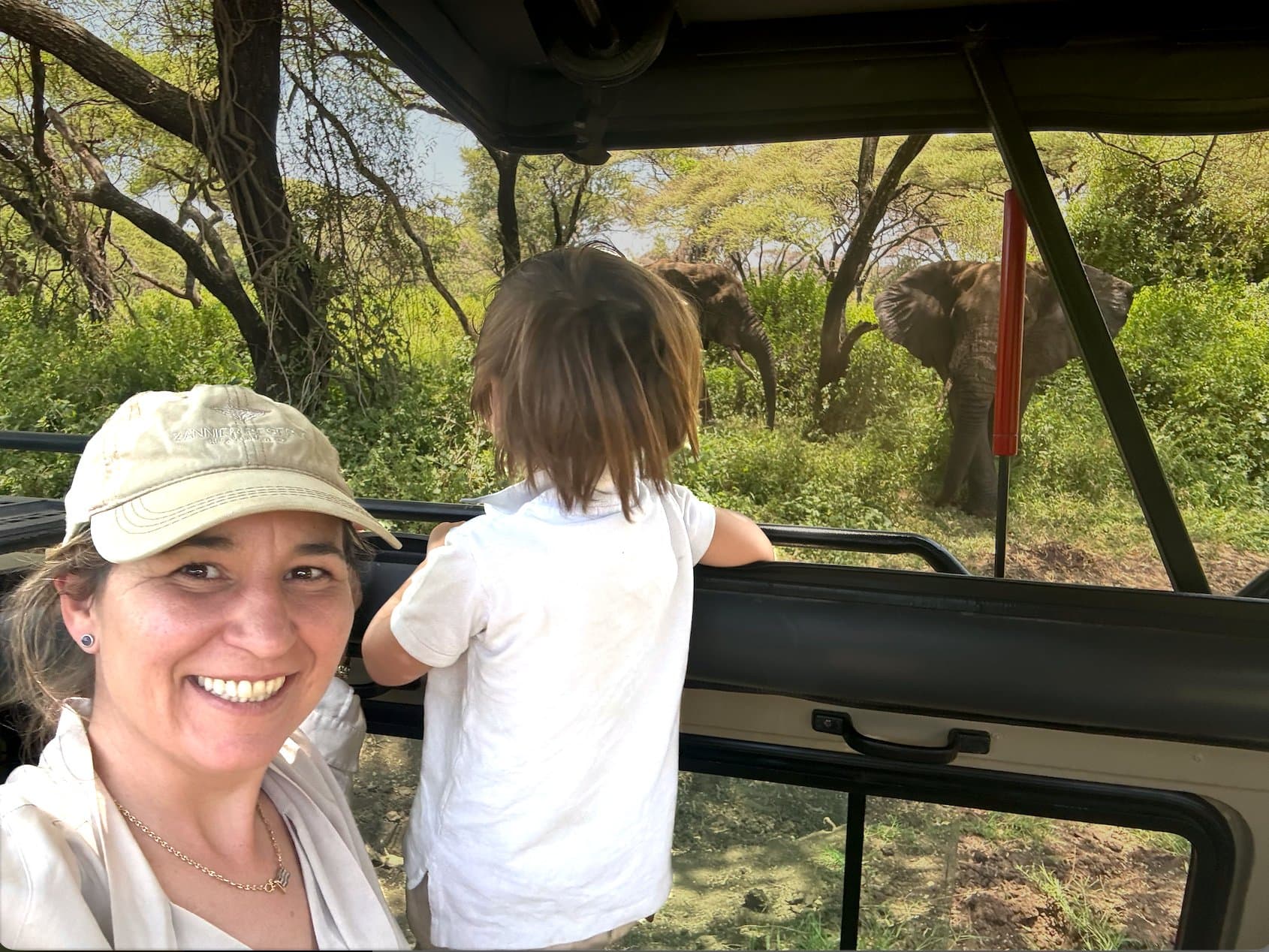
Documentation for travelling with minors: the topic most travellers underestimate
Every African safari country requires specific documentation for travellers under 18. The common minimum requirements are:
- Individual passport for each child, with at least 6 months' validity and 3 blank pages per country.
- Unabridged birth certificate for each child. This must be the full certificate, not an extract.
- If the child travels with one parent only: notarised consent letter from the absent parent, signed and apostilled.
- If travelling without either parent: notarised letter from both.
The strictest countries for minors
South Africa leads in stringency. It has tightened controls in recent years and immigration officers may request additional documentation without advance notice. If your safari includes transit through Johannesburg (common when connecting to Botswana, Zimbabwe or Mozambique), South African rules apply even if you are only making a connection.
Botswana specifically requires the birth certificate to be unabridged. In practice, we recommend always carrying the unabridged version for any destination.
If the itinerary combines several countries (which is typical), the requirements for each country must be verified separately, including transit countries.
Yellow fever for children
Yellow fever vaccination can be administered from 9 months of age. In Uganda, it is mandatory for all travellers over 1 year of age, with no exceptions. In all other countries, it is required only if arriving from an endemic zone.
Consult your paediatrician about antimalarial prophylaxis for children, as dosage varies by weight and age.
Luggage with children: managing the weight limit
Bush-plane luggage limits apply per person, including children. A minor gets the same 15-20 kg as an adult, which in practice is an advantage: a 6-year-old needs less clothing than an adult, and the remaining allowance can be used for family equipment.
Specific tips:
- Children do not need special safari clothing. Long trousers, a long-sleeve shirt, closed-toe shoes and a fleece cover everything.
- Skip bulky toys. Notebooks, coloured pencils and an e-reader weigh grams.
- Keep children's medication in your carry-on, never in checked luggage.
- A headlamp is more practical than a flashlight for children (hands-free).
Which country to choose for a family safari?
Not every destination offers the same family experience. The key factors are: lodge acceptance of children, age restrictions on activities, health safety and transfer duration.
South Africa: the most accessible option for families
South Africa is, by a clear margin, the most family-friendly safari destination for children of any age. The reasons are concrete:
- No visa required for EU, UK and US citizens.
- Private lodges near Kruger are well connected by road (many 5-6 hours from Johannesburg) and some are reachable by scheduled domestic flight, without charter bush planes and their luggage restrictions.
- Many private lodges run dedicated children's programmes: junior guides, educational activities, adapted menus.
- It is a malaria-free destination in some Eastern Cape reserves (Shamwari, Amakhala, Kwandwe), which eliminates the concern of prophylaxis for young children.
- Cape Town's Mediterranean climate allows combining safari + city + coast in a single trip.
Recommended age: from 2-3 years (malaria-free reserves) or from 6 years (standard Kruger private reserves).
Botswana: for families with older children
Botswana offers an extraordinary safari experience, but it is not the easiest destination for young children. Transfers are by bush plane (with the 20 kg limit), camps are in remote areas without quick medical access and many lodges have minimum age policies of 6 or 8 years.
However, for families with children aged 8-10 and above, Botswana is unmatched: the Okavango Delta by mokoro, water-based safaris and the wildlife density in Selinda or Moremi create memories no other destination can match.
Recommended age: from 8 years.
Kenya and Tanzania: the Great Migration as a natural science lesson
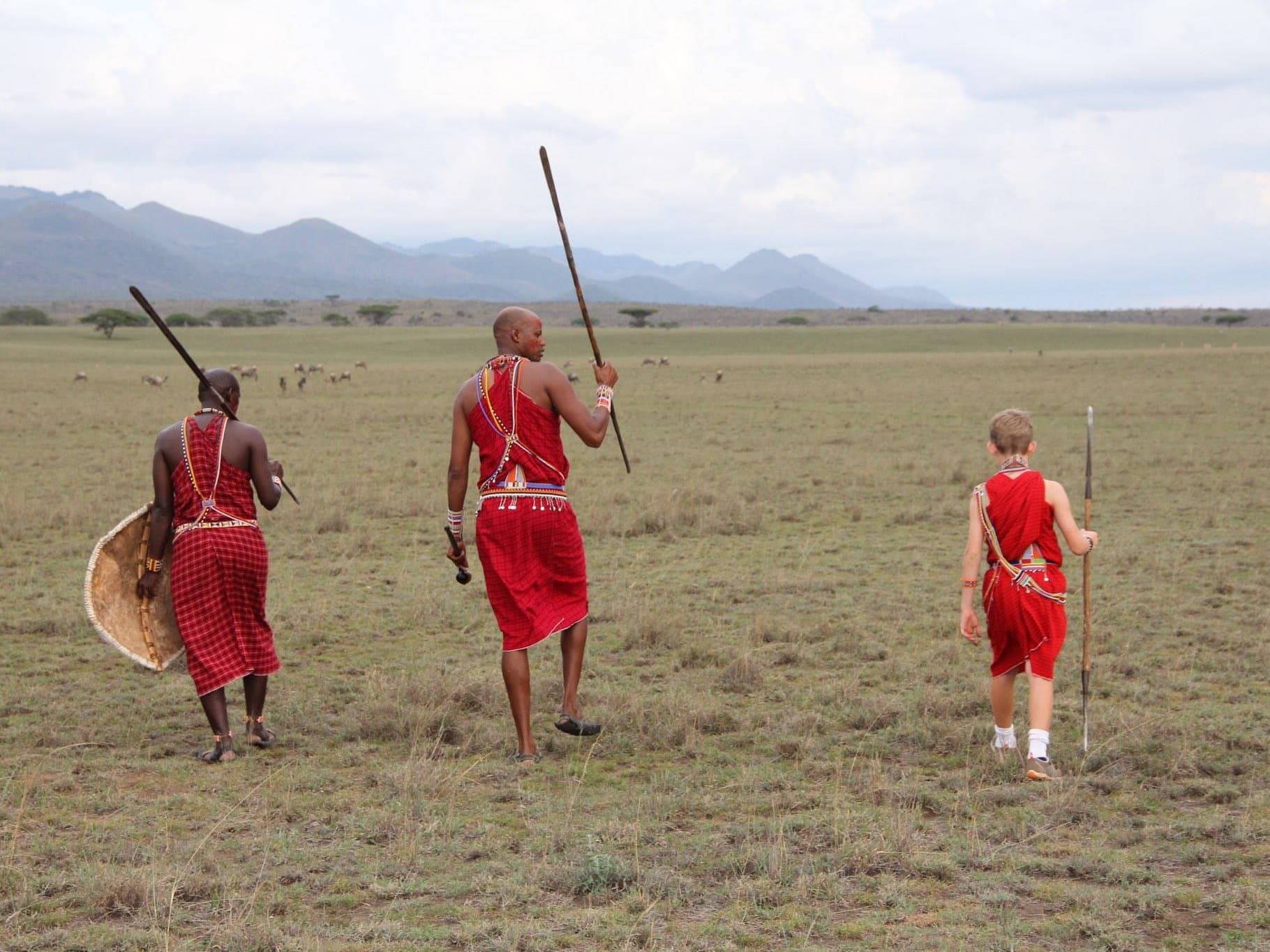
Kenya and Tanzania are classic family safari destinations. The Great Wildebeest Migration is a spectacle that resonates at any age. Lodges in the Masai Mara and Serengeti are well equipped for families, and the bush-plane transfers, though limited to 15 kg, are part of the adventure.
Malaria is a factor. Both destinations are in malarial zones and prophylaxis is recommended. Consult your paediatrician for children's dosage.
Recommended age: from 6 years.
Rwanda and Uganda: gorillas, but with an age limit
Gorilla trekking has a minimum age of 15 years in both Rwanda and Uganda. There are no exceptions. The trek involves 1 to 6 hours of hiking through dense montane forest, with steep inclines and mud, at altitudes of 2,500-4,500 metres.
For families with teenagers aged 15+, it is a transformative experience. For families with younger children, alternative activities must be planned while adults do the trek.
Chimpanzee trekking has lower age limits (typically 12 in Rwanda, variable in Uganda).
Recommended age: 15+ for gorillas, 12+ for chimpanzees.
Zambia and Zimbabwe: walking safaris and waterfalls
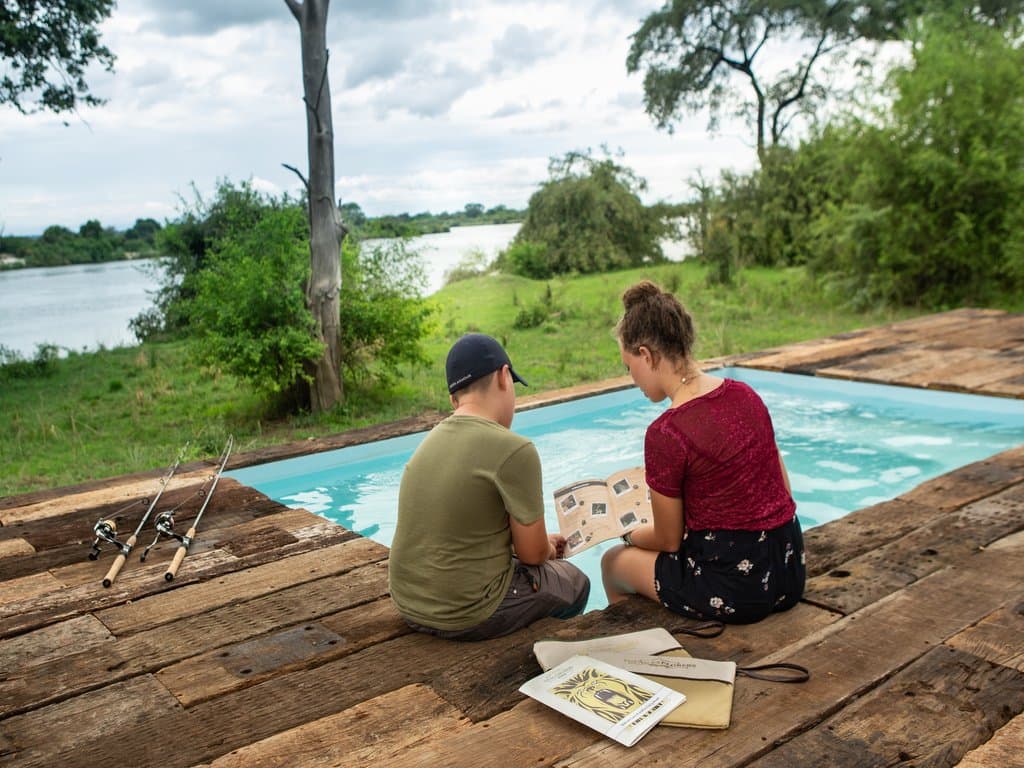
Zambia is renowned for its walking safaris, but these carry age restrictions (typically 12-16 years depending on the operator). For families, the primary draw of combining Zambia and Zimbabwe is Victoria Falls, which has no age restriction and is a spectacle that captivates children of any age.
Lodges in Livingstone (Zambia) and Victoria Falls (Zimbabwe) are generally more family-accessible than the remote camps of South Luangwa or Mana Pools.
Recommended age: any age for Victoria Falls, 12+ for walking safaris.
Mozambique: beach as a complement
Mozambique is not a primary safari destination, but it works as the perfect beach extension after a safari in South Africa or Zimbabwe. The Bazaruto islands are safe for families, though helicopter logistics and the 20 kg luggage restriction require planning.
Recommended age: any age (with logistical planning).
Health and safety with children on safari
Safety rules at safari lodges apply with even greater emphasis for families:
- Never leave children unattended in the room or in common areas. Lodges are unfenced and wild animals move freely through camp.
- Keep children quiet during game drives. This is not merely courtesy — a shout can scatter an important sighting or, worse, provoke a defensive reaction from an animal.
- No walking alone at night. Lodge staff always escort between the room and common areas after dark.
For health:
- Hydration: children dehydrate faster than adults. Minimum 1.5-2 litres of water per day, more in warm months.
- SPF 50 sunscreen and reapplication every 2 hours.
- Child-specific insect repellent (consult your paediatrician on appropriate DEET percentage).
- Travel insurance with full medical cover, evacuation and repatriation is absolutely essential when travelling with children.
Summary table: best country for family safari by age
| Child's age | Best destination | Alternative | Highlight activity |
|---|---|---|---|
| 2-5 years | South Africa (malaria-free reserves) | South Africa (Kruger) | Game drives, lodge pool |
| 6-8 years | South Africa, Kenya | Tanzania | Game drives, Great Migration |
| 8-12 years | Botswana, Kenya, Tanzania | Zambia/Zimbabwe | Mokoro, bush planes, Victoria Falls |
| 12-14 years | Tanzania, Zambia | Zimbabwe | Walking safaris, snorkelling |
| 15+ years | Rwanda, Uganda, any | Botswana | Gorilla trekking |
Information current as of April 2026. Lodge and activity age policies may change. Always confirm the specific requirements for your itinerary and consult your paediatrician about vaccinations and prophylaxis before travelling.