
Sri Lanka cabe entera en un territorio más pequeño que Andalucía, pero concentra una densidad de paisajes, patrimonio y contrastes que pocos destinos del mundo pueden igualar. Templos budistas del siglo III, plantaciones de té que caen en vertical sobre laderas brumosas, leopardos en parques nacionales sin las multitudes de África oriental, y una costa sur donde cenar con los pies en la arena es la norma y no la excepción.
Llevo diseñando viajes a Sri Lanka desde hace años, y una de las cosas que más me gusta repetir a mis clientes es esta: Sri Lanka no es un add-on de Maldivas. Es un destino que merece protagonismo propio. Diez o doce días bien planificados permiten combinar cultura, naturaleza, playa y gastronomía sin que el viaje se convierta en una carrera. Y sí, si quieres rematar con unos días de arena blanca en Maldivas después, la combinación funciona de forma espectacular. Pero Sri Lanka sola ya justifica el viaje.
Cuándo ir: la mejor época según la región que visites
Sri Lanka es un destino que funciona todo el año, pero no de la misma manera en todas sus regiones. La isla tiene dos estaciones monzónicas que afectan a costas opuestas, lo que significa que siempre hay una zona del país en temporada seca. Las temperaturas medias oscilan entre 26 y 32 °C en la costa, y descienden unos 10 °C en las tierras altas centrales.
Noviembre a abril: costa suroeste y tierras altas
Es la temporada clásica para la mayoría de viajeros europeos. La costa suroeste — Galle, Mirissa, Bentota, Weligama — disfruta de sus meses más secos, y es el momento ideal para combinar playa con senderismo en Kandy, Nuwara Eliya y las tierras altas del té. Los safaris en los parques nacionales de Yala y Udawalawe también están en su mejor momento, con vegetación más baja que facilita los avistamientos.
Mayo a octubre: costa noreste y Triángulo Cultural
Cuando el monzón riega el suroeste, la costa noreste toma el relevo. Trincomalee, Passikudah y la bahía de Arugam — uno de los mejores spots de surf de Asia — ofrecen condiciones excelentes. Los sitios culturales de Anuradhapura y Polonnaruwa también son más accesibles y menos concurridos en estos meses.
Dry days: algo que tu agencia debería contarte
Sri Lanka celebra un Poya (luna llena) cada mes, que es festivo nacional. Ese día no se vende alcohol en hoteles, restaurantes ni tiendas. Se llaman dry days y hay entre 20 y 25 al año. No es un drama — los hoteles pueden facilitarte la compra previa — pero hay que saberlo para no llevarse sorpresas. Algunos festivos importantes como el Vesak (mayo) o el Año Nuevo Cingalés (13-14 abril) también implican restricciones.
Qué ver y cómo estructurar el itinerario
El error más común es intentar ver toda la isla en una semana. Sri Lanka tiene carreteras lentas — las distancias en kilómetros engañan — y el ritmo del país invita a no correr. Mi recomendación habitual es un mínimo de 10-12 días para Sri Lanka sola, o 14-16 si combinas con Maldivas.
El Triángulo Cultural: Sigiriya, Polonnaruwa, Anuradhapura
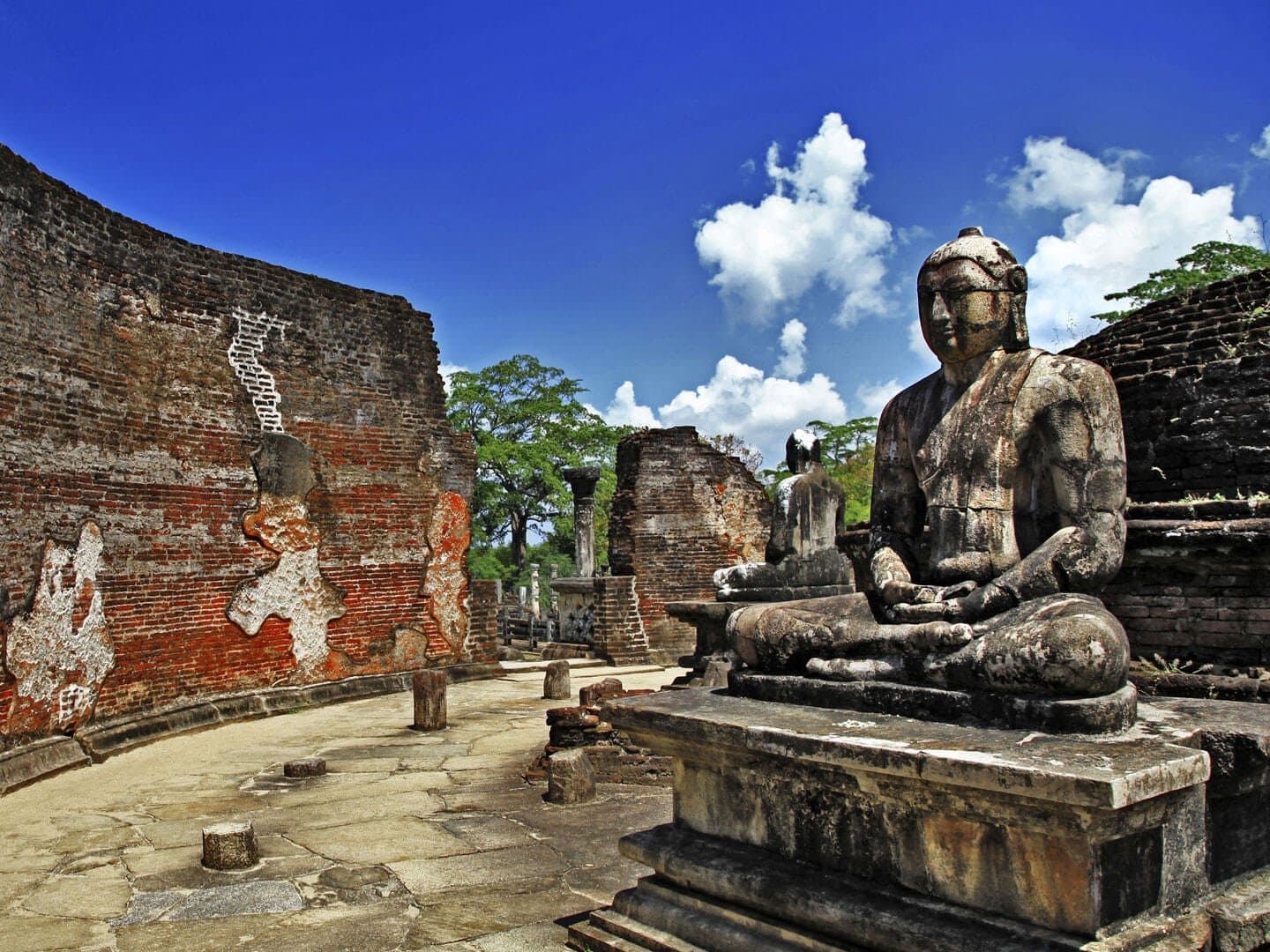
El corazón histórico de la isla. Sigiriya — la roca-fortaleza del siglo V — es el icono visual de Sri Lanka, pero la subida no es trivial: hay que estar en forma razonable y tener cuidado con las avispas cerca de la cima. Polonnaruwa ofrece ruinas más accesibles y menos masificadas, y se recorre bien en bicicleta. Anuradhapura, con más de 2.000 años de historia, es la ciudad sagrada del budismo cingalés.
Kandy y las tierras altas del té
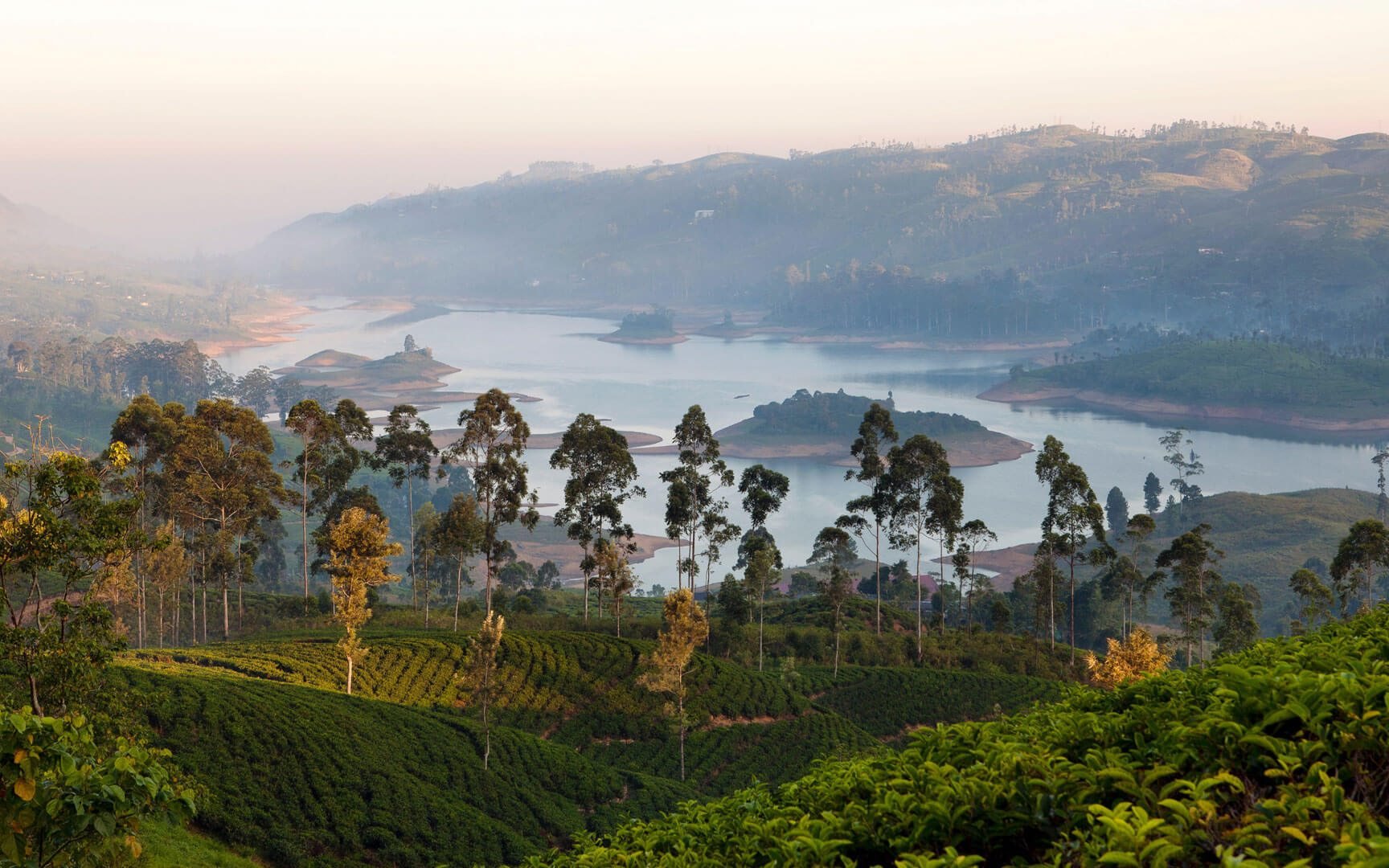
Kandy es la capital cultural, sede del Templo del Diente de Buda y base para explorar las tierras altas. La zona de Nuwara Eliya — a veces llamada "la pequeña Inglaterra" — produce algunos de los mejores tés del mundo. Las plantaciones se pueden visitar, y dormir entre campos de té a 1.200-1.800 metros de altitud ofrece un contraste radical con la costa.
El tren panorámico: lo que nadie te cuenta sobre los billetes
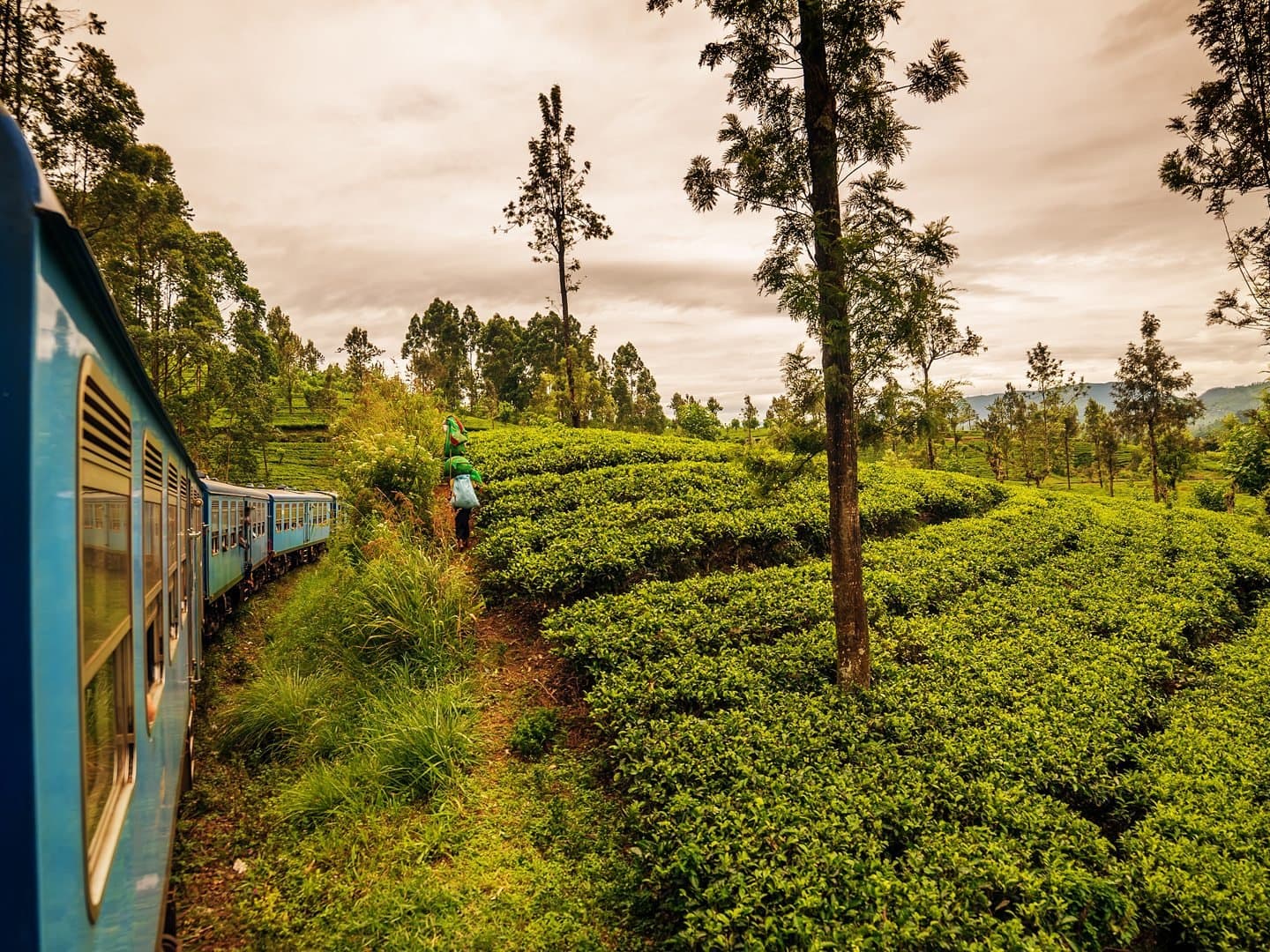
El trayecto en tren entre Kandy y Ella es una de las experiencias más fotografiadas de Asia, y con razón: las vistas sobre valles de té y puentes coloniales son extraordinarias. Pero hay que gestionar expectativas. Los billetes de primera clase solo se confirman 10 días antes del viaje y dependen de disponibilidad. En temporada alta (diciembre-enero, Perahera en julio-agosto) pueden ser muy difíciles de conseguir. El tren no tiene puertas — literalmente — así que la experiencia es más aventura que lujo. Segunda clase con ventanilla abierta es, para muchos, mejor opción que primera clase con ventanilla sellada.
Yala y Udawalawe: safaris fuera de África
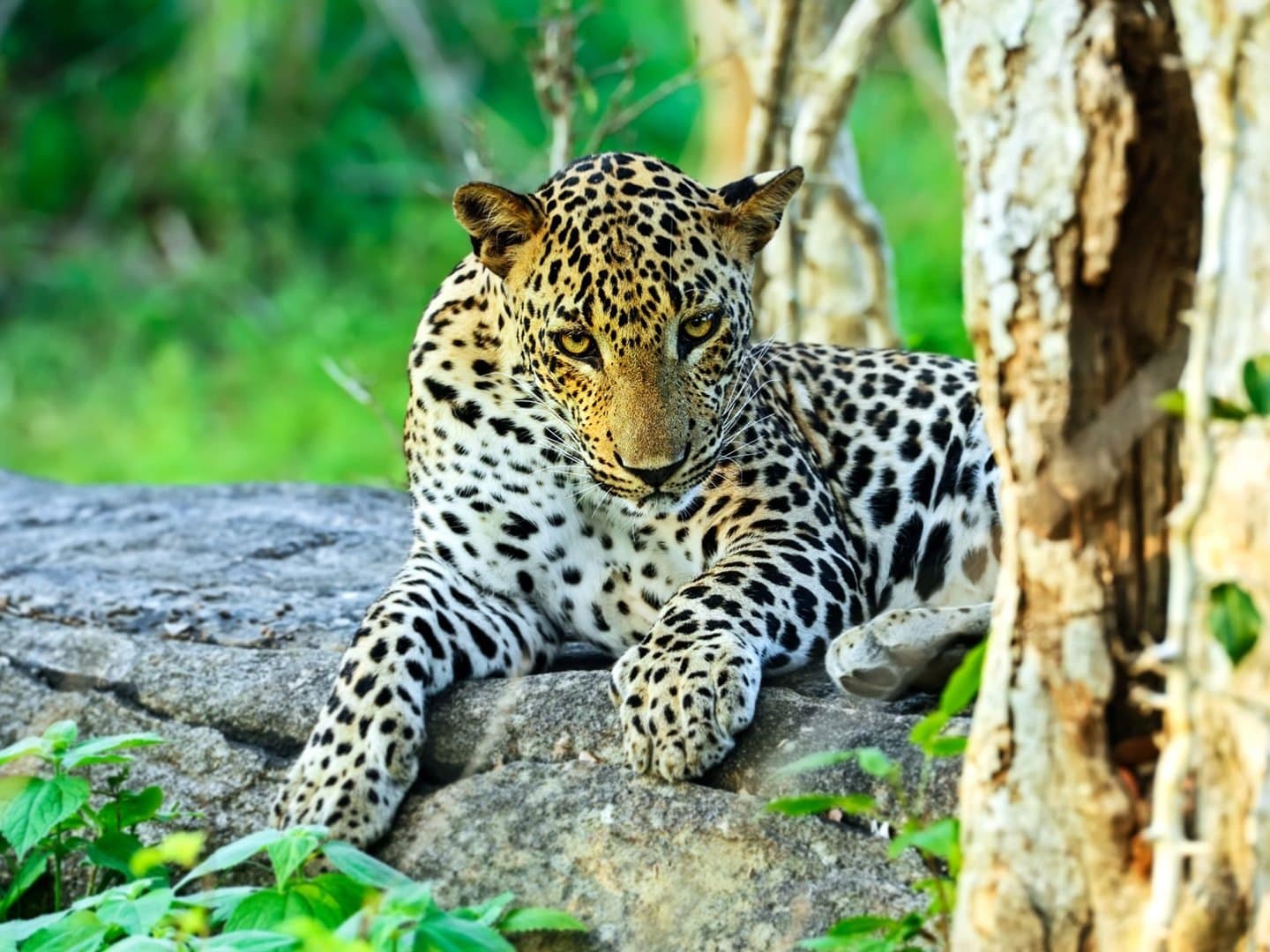
Sri Lanka tiene una de las densidades de leopardo más altas del mundo en el Parque Nacional de Yala. También es posible ver elefantes, osos perezosos, cocodrilos y una avifauna espectacular. Udawalawe es el parque ideal para familias: más tranquilo, con manadas de elefantes en campo abierto que recuerdan al Amboseli keniata. El avistamiento de ballenas azules frente a Mirissa (noviembre-abril) completa la oferta de fauna.
Galle Fort y la costa sur
Galle Fort es Patrimonio de la Humanidad y uno de los rincones con más personalidad de toda Asia. Dentro de sus murallas holandesas del siglo XVII hay boutiques, restaurantes, galerías de arte y hoteles con encanto. Es el lugar perfecto para los últimos días de viaje: ritmo lento, buena mesa y atardeceres sobre el Índico.
Dónde alojarse: hoteles boutique y propiedades con carácter
Sri Lanka tiene una oferta hotelera que combina patrimonio colonial, arquitectura contemporánea y naturaleza de una forma que pocos países asiáticos consiguen. No es un destino de grandes resorts all-inclusive — y eso es parte de su encanto.
Algunas propiedades que utilizo habitualmente en mis itinerarios:
Uga Ulagalla (Triángulo Cultural): una antigua mansión cingalesa reconvertida en lodge de lujo, rodeada de un lago privado y arrozales. Es la base perfecta para explorar Sigiriya y Anuradhapura sin renunciar al confort.
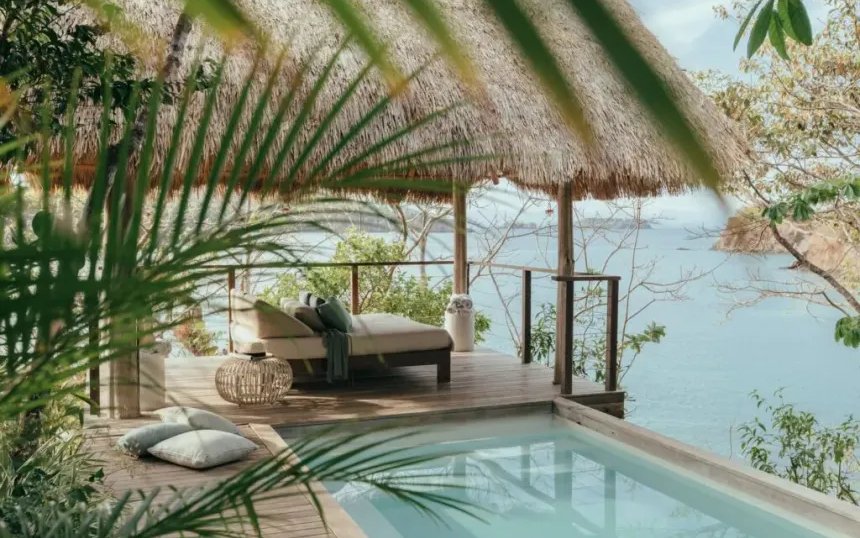
Uga Chena Huts (Yala): cabañas aisladas al borde del parque nacional, diseñadas para maximizar la inmersión en la naturaleza. Safari al amanecer y piscina privada por la tarde.
Uga Jungle Beach (Trincomalee): ideal para la temporada de costa noreste. Playa privada, selva tropical y una sensación de aislamiento difícil de replicar.
The Fort Printers (Galle Fort): una imprenta colonial del siglo XVIII transformada en hotel boutique. Pocas habitaciones, servicio personal y una ubicación inmejorable dentro del fuerte.
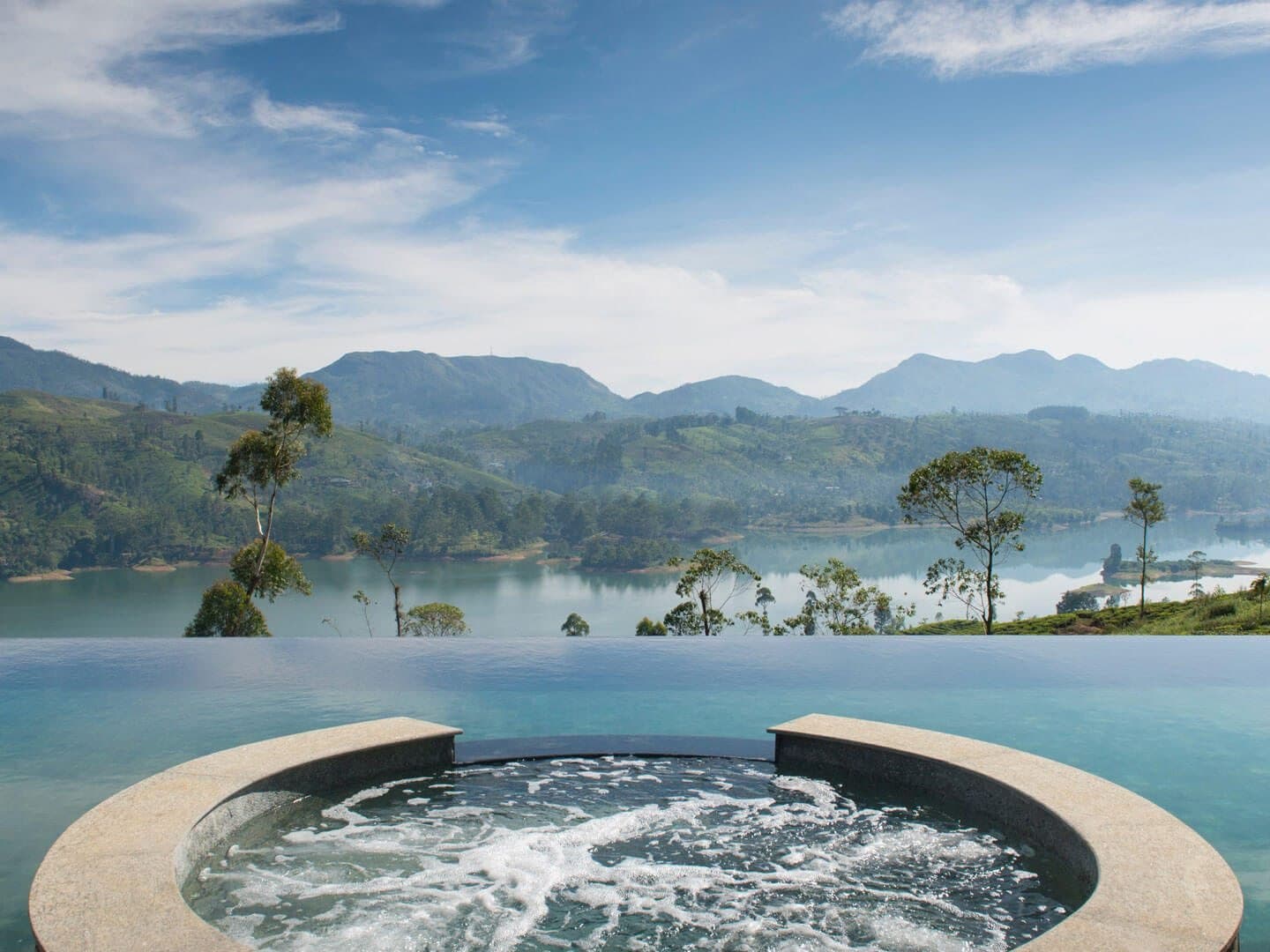
98 Acres Resort (Ella): encaramado sobre una colina entre plantaciones de té, con vistas que quitan el aliento. La alternativa con carácter a los hoteles más convencionales de la zona.
Wallawwa (Negombo/aeropuerto): una villa colonial restaurada a 15 minutos del aeropuerto. Ideal para la primera o última noche sin el estrés de Colombo.
Cape Weligama y The Six son otras dos opciones de referencia para familias que buscan infraestructura completa en la costa sur.
Sri Lanka en familia: ¿funciona?
Funciona muy bien, y cada vez recomiendo más este destino para familias con niños a partir de 5-6 años. Los safaris en Udawalawe son más accesibles que los africanos (jornadas más cortas, distancias menores), las playas de la costa sur son seguras en temporada, y los cingaleses tienen una relación con los niños que hace que las familias se sientan bienvenidas en todas partes.
Las propiedades con villas o habitaciones familiares son cada vez más comunes. Uga Ulagalla y Cape Weligama tienen configuraciones especialmente buenas para familias. Y el ritmo del viaje se puede adaptar: menos templos, más naturaleza, algún taller de cocina, un par de horas de surf en Weligama.
Información práctica
Visado y requisitos de entrada
Todos los viajeros necesitan un ETA (Electronic Travel Authorization) que se tramita online en eta.gov.lk. El coste actual es de 50 USD por persona (gratis para menores de 12 años). El pasaporte debe tener al menos 6 meses de validez. Hay planes del gobierno de eliminar la tasa para ciudadanos de 40 países a partir de 2026, pero a fecha de hoy la medida no se ha implementado oficialmente.
Vacunas y salud
No hay vacunas obligatorias para viajeros procedentes de Europa, pero se recomienda hepatitis A, tétanos y fiebre tifoidea. Sri Lanka fue declarada libre de malaria por la OMS en 2016 y mantiene ese estatus — no se necesitan antipalúdicos. El dengue sí está presente, especialmente tras lluvias fuertes: repelente y manga larga al atardecer son la mejor prevención. Beber siempre agua embotellada.
Moneda y propinas
La moneda local es la rupia de Sri Lanka (LKR). Se recomienda llevar dólares, euros o libras para cambiar a la llegada — los mostradores del aeropuerto ofrecen buen tipo de cambio. Tarjetas de crédito y débito funcionan en la mayoría de establecimientos turísticos. Para propinas, 15 USD/día al chófer-guía es la referencia habitual.
Chófer-guía: cómo funciona y por qué es imprescindible
Conducir en Sri Lanka no es viable para un turista. Las carreteras son caóticas y se circula por la izquierda. El modelo estándar es viajar con un chófer-guía privado que conduce, acompaña en las visitas y actúa como puente cultural. Es una de las grandes ventajas del destino: un profesional local dedicado durante todo el viaje, que adapta el ritmo a tus preferencias. Los buenos chófer-guía están licenciados por la Sri Lanka Tourism Development Authority y son un recurso limitado — en temporada alta conviene reservar con antelación.
Un destino que pide volver
Sri Lanka tiene esa cualidad rara de los destinos que mejoran cuanto más los conoces. La primera visita suele cubrir el circuito clásico — Triángulo Cultural, tierras altas, Yala, costa sur — pero la isla esconde suficiente profundidad para un segundo y un tercer viaje: el norte recién abierto al turismo, la costa este fuera de temporada, retiros de yoga en el interior, festivales locales que ningún turista ve.
Si estás valorando Sri Lanka como próximo destino, mi consejo es claro: dale el tiempo que merece. No lo comprimas. No lo trates como un preámbulo de Maldivas. Y si quieres que te ayude a diseñar un itinerario que encaje con tu forma de viajar, estaré encantada de hacerlo.