
Hay destinos que se entienden caminando. Otros, leyendo. Sri Lanka se entiende comiendo. No porque tenga una cocina de autor que compita con Tokio o Lima — sino porque lo que llega al plato resume con una honestidad brutal la historia, la geografía y el carácter de la isla. Un rice and curry servido sobre una hoja de loto en una casa de Polonnaruwa cuenta más sobre Sri Lanka que cualquier museo.
Una cocina que no pide permiso
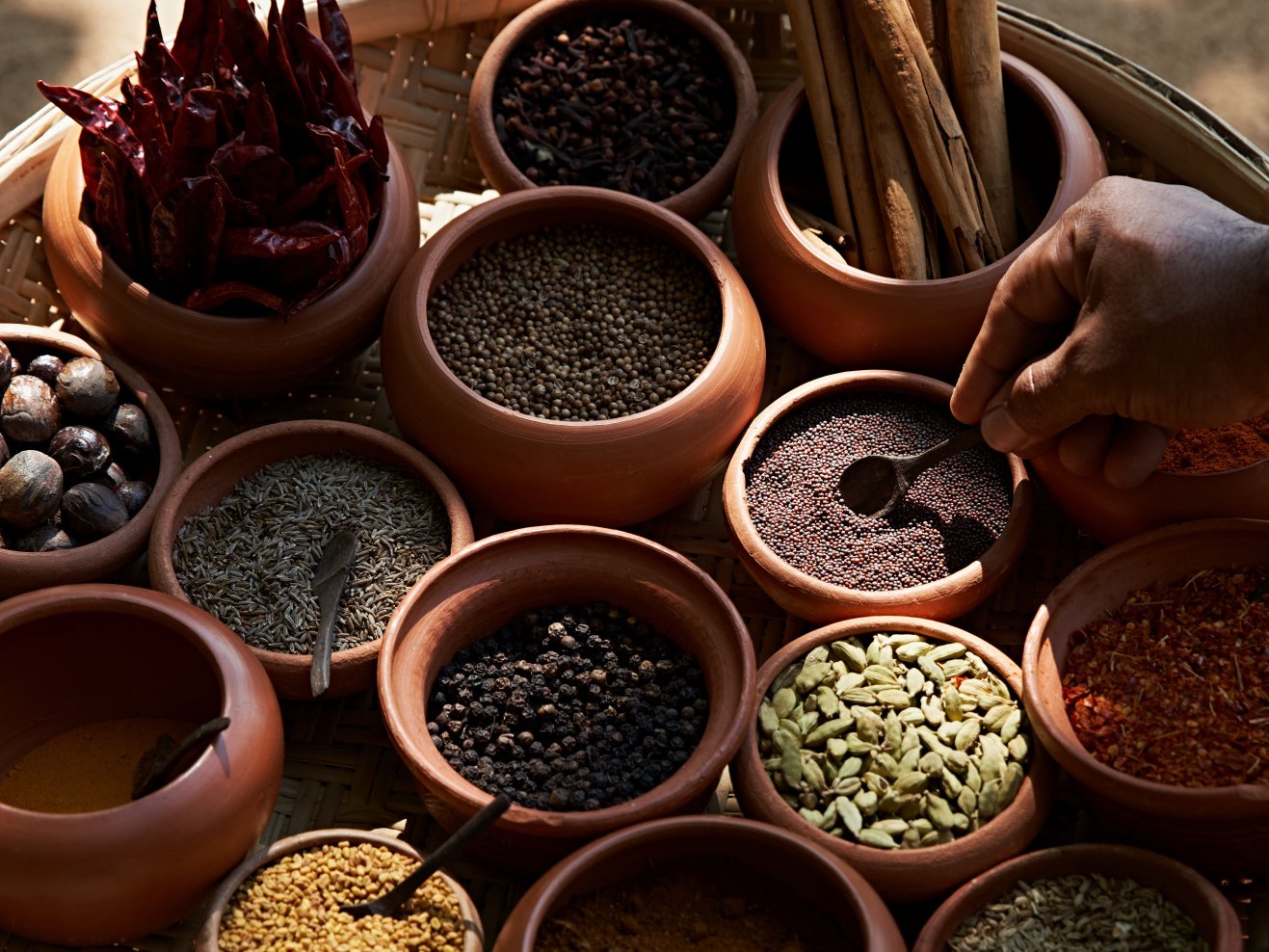
La gastronomía cingalesa no es tímida. Trabaja con más de treinta variedades de especias cultivadas en la propia isla — canela de Ceilán (la original, la buena), cardamomo, clavo, pimienta negra, cúrcuma, pandan — y las combina con leche de coco, pescado seco, chile y una técnica de cocciones lentas que extrae capas de sabor difíciles de replicar fuera de aquí.
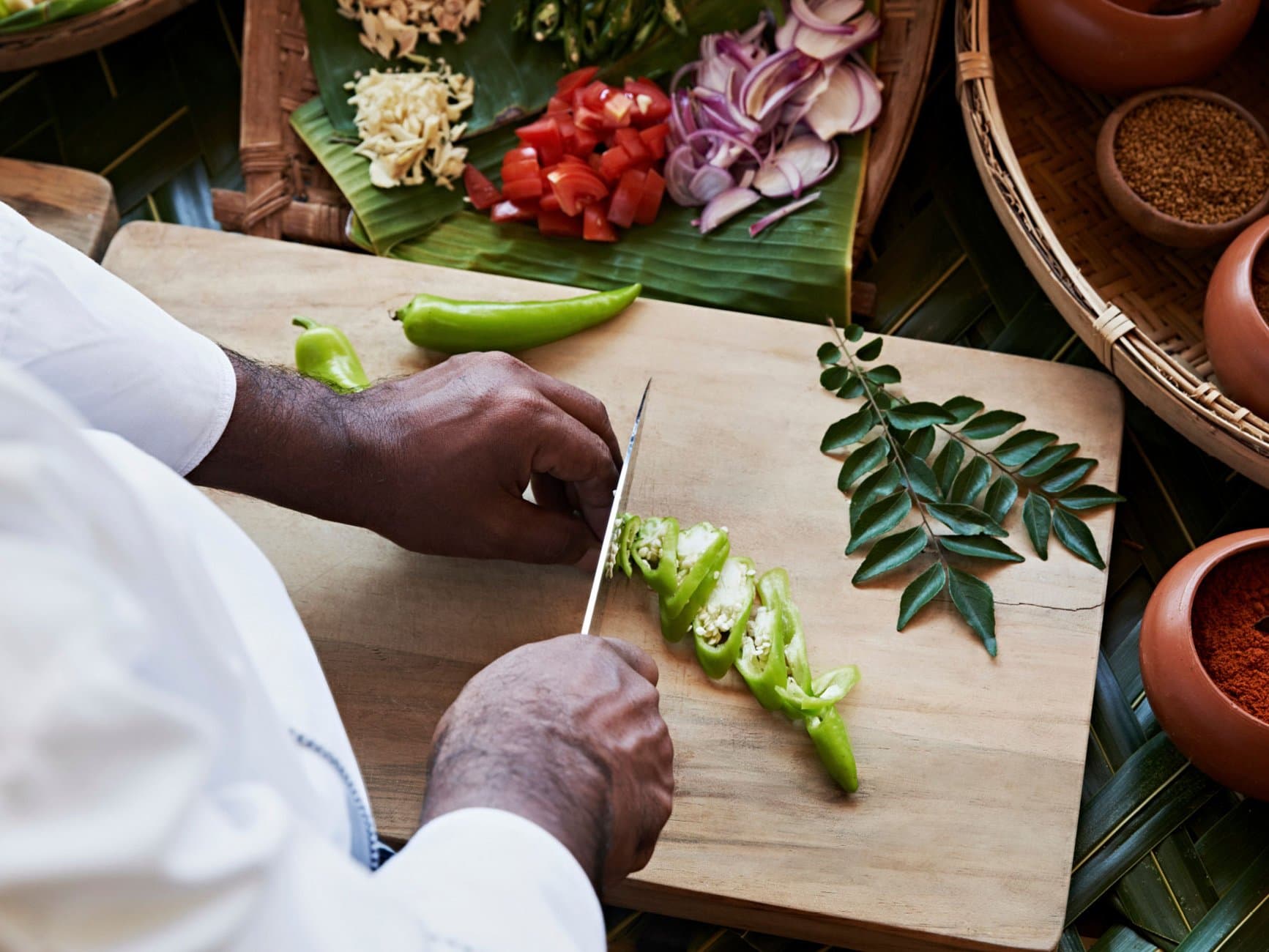
El resultado es una cocina que no busca sofisticación visual sino intensidad. Los platos llegan en cuencos de barro, sobre hojas de banana, servidos por manos que conocen las proporciones exactas porque llevan haciéndolo tres generaciones. El viajero que espera una versión edulcorada de la cocina india va a encontrarse algo bastante diferente: más coco, menos ghee; más pescado, menos carne; más acidez de goraka y tamarindo, menos dulzor.
Rice and curry: el plato que lo explica todo
No hay forma de entender Sri Lanka sin su rice and curry. No es un plato: es un sistema. Un montón de arroz en el centro, rodeado de entre cinco y quince preparaciones distintas — un curry de pollo o pescado como proteína principal, más una constelación de sambols (condimentos), vegetales encurtidos, dhal (lentejas), pol sambol (coco rallado con chile y lima), papadums crujientes y, si tienes suerte, hoppers — esas crêpes curvadas de harina de arroz fermentada que son el vehículo perfecto para mojar en cualquier salsa.
La gracia del rice and curry está en la combinación. Cada comensal construye su propio bocado mezclando elementos del plato. No hay dos cucharadas iguales. Es comida participativa, y comerla con la mano — como hacen los locales — cambia la experiencia por completo.
El precio varía enormemente: un rice and curry callejero cuesta menos de 2 euros. En un restaurante de hotel, diez veces más. La calidad no siempre correlaciona con el precio.
Colombo: la capital gastronómica que pocos esperan
Colombo ha pasado en una década de ser una ciudad que los viajeros atravesaban sin detenerse a convertirse en un destino gastronómico con personalidad propia. La oferta abarca desde street food refinado hasta restaurantes con reconocimiento internacional.
Ministry of Crab, ubicado en el edificio del Dutch Hospital colonial, es probablemente el restaurante más conocido de Sri Lanka. Fundado por el chef Dharshan Munidasa junto a dos leyendas del cricket cingalés, se ha mantenido en la lista de Asia's 50 Best Restaurants de forma consecutiva desde 2015. Su especialidad — cangrejo de laguna preparado de cuatro formas distintas — justifica una cena en Colombo aunque el resto del itinerario no pase por la capital. Tienen una política radical: no usan congeladores. Todo es producto fresco, local y del día.
En el extremo opuesto del espectro, Kolamba Kade ocupa un local discreto en Ward Place, medio escondido junto a una tienda de ropa. No hay decoración que distraiga: aquí la comida habla sola. El chicken curry es un referente, los string hoppers con curry de berenjena especiado son adictivos, y los langostinos en salsa de coco ponen el punto final. Es lo más parecido a comer en casa de una familia cingalesa sin la incomodidad de presentarte sin invitación.
Barefoot Garden Café, en Galle Road, ofrece algo diferente: un patio interior con muebles pintados de colores, vegetación exuberante y un ambiente que invita a quedarse dos horas. Los fines de semana hay músicos de jazz. Es el lugar de Colombo donde los expats y los locales creativos coinciden, y el rice and curry de cerdo tiene fama merecida.
Galle Fort y la costa sur: donde comer con la brisa del Índico
La escena gastronómica de Galle Fort se ha sofisticado enormemente en los últimos años, pero conserva una escala humana que la hace accesible.
Smoke & Bitters, en Dikwella, fue incluido en la lista de 50 Best Bars de Asia en 2023 y funciona tanto como bar de cócteles como restaurante. Su ubicación en el borde de la playa de Pehebiya, la coctelería basada en arrack (el destilado local de savia de coco) y una carta de platos que trata la presentación como arte sin perder la raíz cingalesa lo convierten en una de las experiencias gastronómicas más completas de la isla.
Amma Nissa, en Galle Fort, juega en otro registro. El nombre significa "madre" en cingalés, y eso resume la propuesta: cocina casera elevada a la mínima expresión necesaria. Biryani moro, arroz con ghee, curry de cordero con crema de anacardo. Es un sitio para ir con hambre, sin prisa y con ganas de dejar el plato limpio.
Fuera de la ruta: comidas que no están en ningún mapa
Algunas de las mejores experiencias gastronómicas de Sri Lanka no tienen web, ni Instagram, ni reservas online.
Priyamali Gedara, en Polonnaruwa, es la casa de Priya y Mali, un matrimonio que empezó vendiendo snacks junto a las ruinas y que hoy abre su hogar a viajeros para un almuerzo que desafía cualquier expectativa. Veinte curries distintos servidos sobre hojas de loto cosechadas a mano, con cerveza fría al lado. Los platos cambian cada día según lo que haya en el mercado. No es un restaurante diseñado para turistas: es una vida construida alrededor de alimentar bien a la gente. Al terminar el servicio, Priya y Mali llevan las sobras para dar de comer a los perros callejeros del pueblo.
En la Costa de las Especias, otra experiencia que merece la pena es la cena organizada por familias locales en sus propias casas: cocina con cangrejo fresco de Jaffna, arrack de producción artesanal y la posibilidad de entender cómo se vive realmente en la isla, lejos de la versión empaquetada para el turismo.
Arrack: el destilado que Sri Lanka quiere que conozcas
El arrack cingalés se produce a partir de la savia fermentada de la flor del cocotero. No tiene nada que ver con el arak de Oriente Medio. Es un destilado con cuerpo, ligeramente dulce, que funciona extraordinariamente bien en coctelería tropical — y que Sri Lanka está empezando a posicionar internacionalmente con el mismo orgullo con el que Japón posicionó su whisky hace dos décadas.
Los bares de Colombo y la costa sur están liderando esta revolución silenciosa. Pedir un cóctel de arrack en lugar de un gin-tonic es la forma más directa de conectar con el producto local — y suele costar entre 1.800 y 3.500 LKR (4-8 euros al cambio actual).
Dry days: cuando la isla no bebe
Como mencionaba en la guía completa de Sri Lanka, cada luna llena (Poya) es festivo y dry day: no se vende alcohol en ningún establecimiento público. Hay más de veinte al año. La solución es sencilla — comprar el día anterior — pero hay que tenerlo en cuenta al planificar cenas especiales. Algunos hoteles con licencia completa mantienen el servicio; otros solo pueden servir cerveza y vino; algunos no tienen licencia en absoluto. Es un detalle que una buena agencia debería gestionar antes de que te enteres.
Lo que la mesa de Sri Lanka deja claro
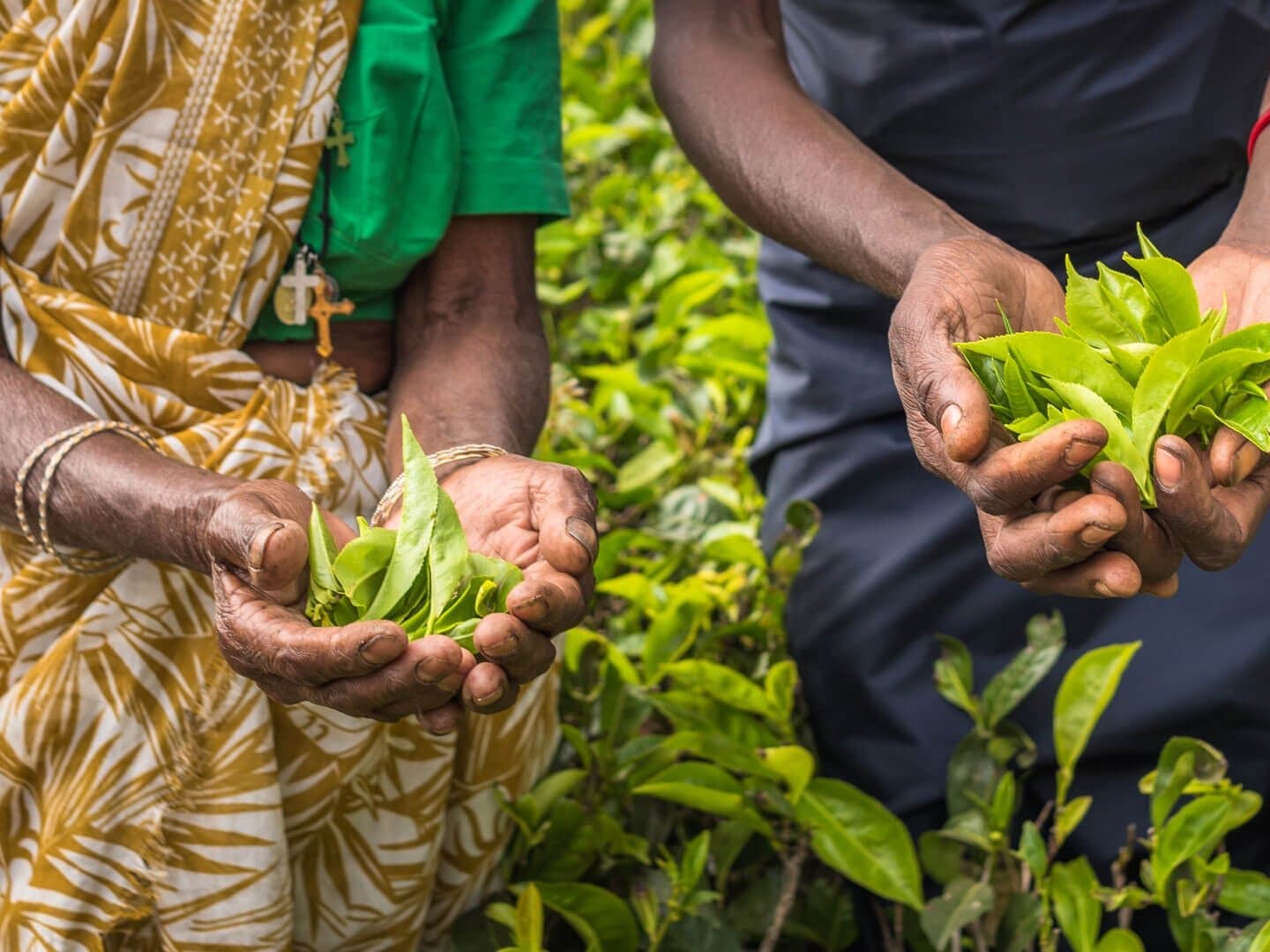
Comer en Sri Lanka no es un complemento del viaje — es una parte estructural de la experiencia. La cocina cingalesa refleja una isla que ha sido cruce de rutas comerciales durante siglos: especias árabes, técnicas portuguesas, influencias holandesas, ecos de la India y del sudeste asiático, todo filtrado por una identidad propia que se niega a diluirse.
Mi consejo es simple: come local. Come en sitios donde no entiendas el menú. Acepta la invitación cuando el chófer-guía diga "conozco un sitio". Los mejores platos de Sri Lanka no están en las cartas de los hoteles cinco estrellas — están en las manos de alguien que cocina así porque su madre le enseñó.